Unlocking potential: Navigating the property project life cycle with specialist finance
Unlocking potential: Navigtating the property project life cycle with specialist finance
The property life cycle is a dynamic journey, and each stage presents a distinct opportunity for you to support your clients with tailored finance solutions. I would like to help you understand how to secure the right funding at the right time.
Stage 1: Acquisition and Planning
The first hurdle is securing the development site or property, which requires speed and certainty.
Auction finance: For clients looking to purchase at auction, auction finance is an invaluable tool, enabling them to move quickly and with confidence on a successful bid, typically meeting the 28-day completion deadline.
Bridging finance (Open market purchase): If your client is purchasing a site on the open market, a short-term bridge can provide the necessary funding to acquire the asset, undertake light refurbishment works, and swiftly transition (or ‘flip’) the property for sale or into their Buy-to-Let (BTL) portfolio.
Bridging finance (Pre-Development): Bridging finance is also effective for developers who already own a site with an existing dwelling. For instance, to facilitate the subdivision of a single title site to build multiple units, the loan provides crucial cash flow to undertake preliminary works and gain planning permission before moving to a longer-term development facility.
Stage 2: Adding value through refurb or development
Once the asset is secure, the goal shifts to maximising its value:
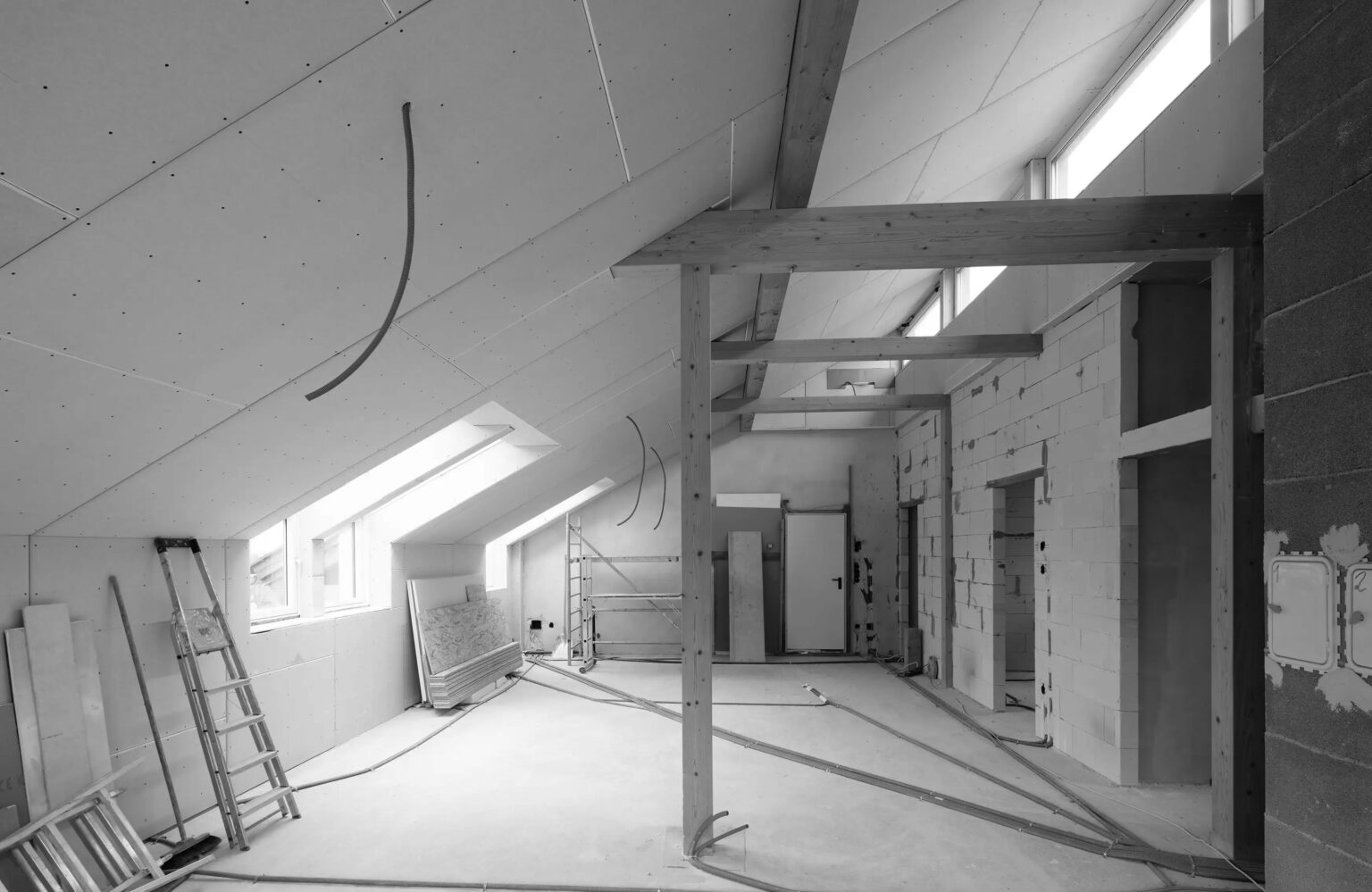
Refurbishment finance: This is designed to unlock the value potential in distressed or outdated properties. It funds the renovation, with money released to the borrower in staged drawdowns. Crucially, a capable lender will understand the nuances of light, moderate, or heavy refurbishment schemes – even those requiring near-total rebuilds – and they should be comfortable funding 100% of the works; for example, Catalyst provide a refurb budget up to 50% of the GDV, capped to £2.5m for schemes outside of London and £3m in London. Leverage for refurb loans is against the project’s Gross Development Value (GDV) and lenders, like Catalyst, offer higher leverage loans up to 80% of the Open Market Value (not 180 day value) and 75% of GDV.
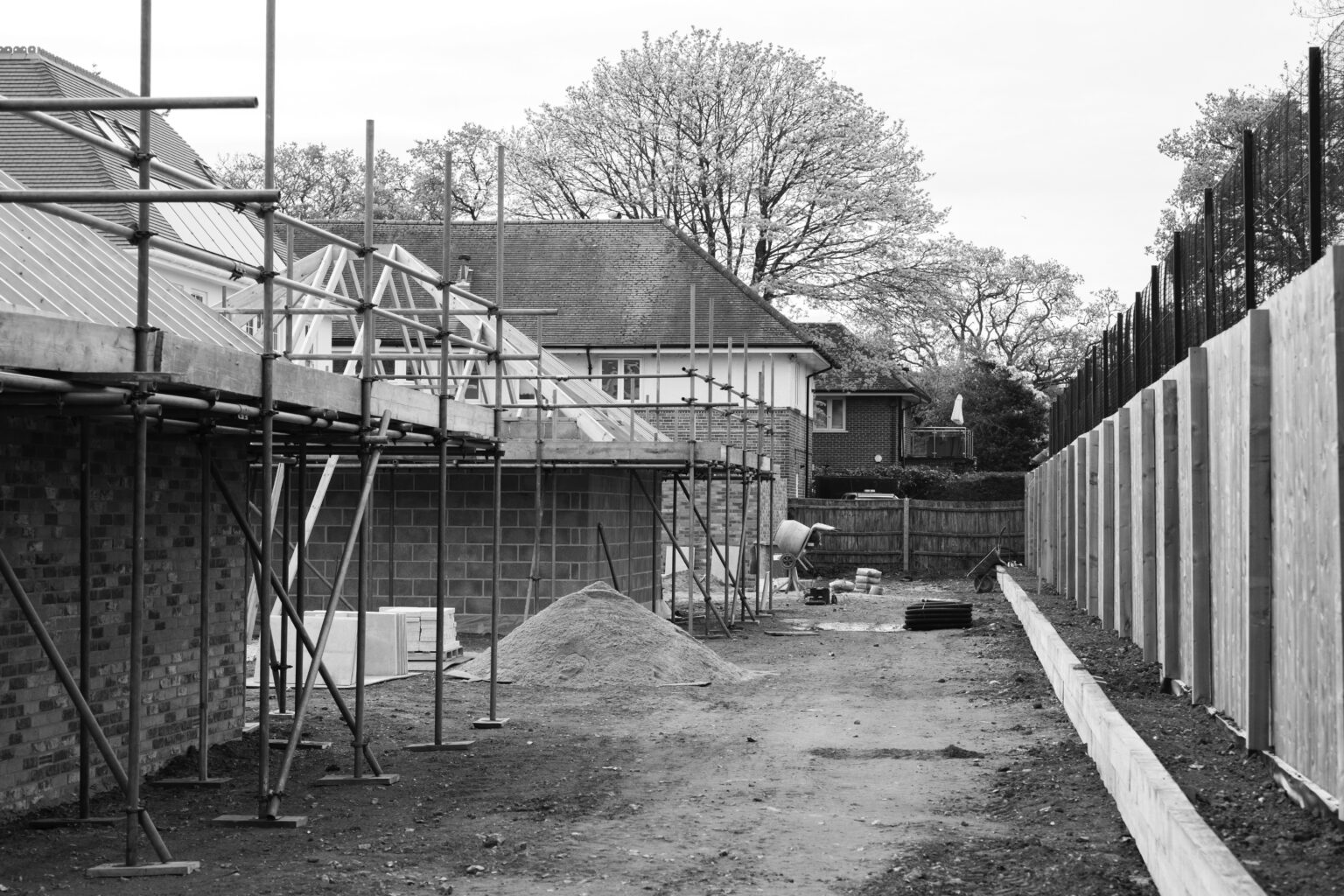
‘Ground up’ development finance: For clients turning undeveloped land into new homes, development finance provides the substantial capital needed to cover both land acquisition and the full construction costs. The loan size is calculated predominantly on the GDV, meaning developers can undertake larger schemes with lower personal capital outlay. Funds for the build are also released in arrears via structured drawdowns as milestones are hit, ensuring efficient cash flow management.
Stage 3: The exit strategy
Specialist property finance is inherently short-term, and a successful project requires a solid exit strategy. Depending on the project, your clients may consider transitioning out of their initial ground-up development finance facility with two key products:
‘Finish and exit’ finance: If the project is substantially complete (wind and watertight) but the developer needs more time and a final injection of cash to finish the final details before exit, this loan lifts them out of the original development facility.
Development exit finance: Once the property reaches Practical Completion (PC), this facility pays off the original development loan. It gives the client time to sell units or remortgage onto a long-term investment loan. Importantly, this exit finance often includes an element of capital raise, allowing your client to draw funds for their next project.
A Final Tip: Focus on full disclosure and leverage
From a lender’s perspective, we highly value receiving the full picture. Provide all the details on the borrower’s experience and the project’s complexity. The sooner we have all the facts, the better we can structure finance, even for quirky or complex deals.
Also, scrutinise leverage. A specialist lender’s Loan-to-Value (LTV) calculation can be key. Are they lending against Open Market Value (OMV) or 90-day value? Understanding this, and how interest is handled, can significantly impact your client’s day-one cash flow.
By familiarising yourself with these crucial stages, you establish yourself as an indispensable partner, helping your clients realise their property goals and supporting the regional housebuilders our economy relies on.